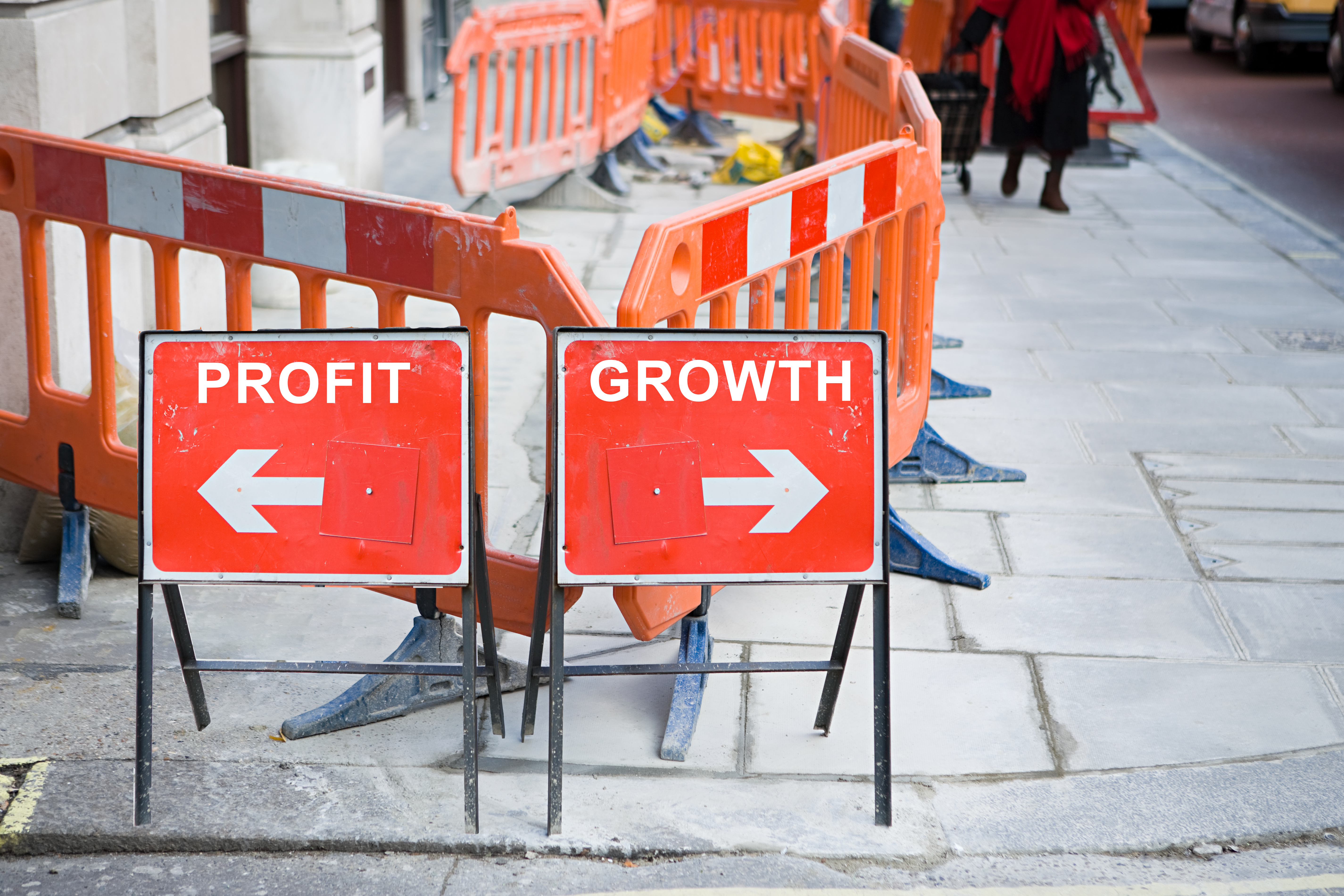
There was a time, not that long ago, when the go-to advice for SaaS founders was basically: “Burn money like a skip fire and worry about profitability when the IPO confetti’s already in the air.” Cash flowed like prosecco at a tech awards night, and if your runway was longer than your to-do list, you were doing something very right. It was a simpler time for founders, but SaaS profitability in 2025 has become the name of the game, and the rulebook’s looking very different now.
Times, as they say, have changed. And 2025? It’s got a whole new vibe.
The Great Mood Swing: Investors Have Changed Their Tune
Gone are the days of madcap growth plans fuelled by what felt like Monopoly money. These days, investors are less interested in your dreams of total market domination and more concerned about whether your business can make a quid without setting itself on fire.
Welcome to the era of capital efficiency, where phrases like “burn multiple” and “net revenue retention” are chucked about like they’re going out of fashion. In this new environment, SaaS profitability in 2025 is what sets serious companies apart from the rest of the hopefuls.
So, what’s caused this sudden epiphany? And what does it mean if you’re a SaaS founder trying to stay afloat without selling your soul to another funding round?
Let’s take a proper look, shall we?
The End of the “Free Money” Fantasy
Cast your mind back to the 2010s: a simpler time when most SaaS founders were largely concerned with the movements of small green pieces of paper, which is odd because on the whole it wasn’t the small green pieces of paper that were unhappy.
Back then, if you were a SaaS founder:
Growth plans involved expanding to four continents and building a slide into the server room.
Customer acquisition meant torching ad budgets with the sort of enthusiasm normally reserved for Black Friday telly shoppers.
But by the time 2022-23 rolled around, the economic tide turned. Interest rates spiked. Investors put the brakes on. And startups used to relying on a new round every six months suddenly found themselves playing musical chairs, and someone nicked the last chair. An article from Sifted highlighting the significant drop in funding for venture-backed startups, with a decline of over 40% through the end of November 2023.
Why SaaS Profitability in 2025 Is the New Party Trick
It’s not enough to have a great logo, a cool name ending in “.io”, and a vague plan to monetise at some point in the next five years. Investors now want to know: Can you actually survive without borrowing pocket money from a VC every quarter?
They’re asking:
“Can this lot grow without needing a cash IV drip?”
“If the funding tap turned off tomorrow, would they still be standing?”
These are not theoretical questions anymore. They’re the difference between closing your next round, and closing your laptop for good. Here’s an FT article discussing Spotify’s significant growth and improved profitability in 2024, illustrating the market’s shift towards profitable business models.
The SaaS Metrics That Drive Profitability in 2025
So, let’s talk numbers, but don’t worry, we’ll keep it in (relatively) plain English.
1. Net Revenue Retention (NRR) > New Customer Growth
NRR is the business version of “Do your mates keep coming to the pub?” It’s not just about getting customers, it’s about keeping them, and ideally getting them to order dessert too.
110%+ NRR? Lovely stuff. That means your existing customers are sticking around and spending more.
Why it matters: It’s cheaper to keep folks happy than to find new ones. Investors love that.
You can sell millions of subscriptions, but if it costs more to deliver your service than you’re making, that’s not a business, it's a very expensive experiment.
Target: 75 – 85% gross margin. Think SaaS royalty, not your mate’s garage band with five Spotify plays.
Less than that? Investors will start eyeing your pricing like it’s a dodgy 3am kebab.
3. Burn Multiple: Are You Chucking Fivers Into a Bonfire?
Burn Multiple = Net Burn / Net New ARR
Burn £1M, gain £2M in revenue? That’s a tidy 0.5x and a gold star for you.
Burn £5M, gain £2M? That’s 2.5x and investors will start making the kind of face you see when you realise you've poured oat milk in the builder's tea.
Why care?Because VCs are now looking for lean, mean, revenue-generating machines, not cash-inciner
ating optimism factories. These metrics aren’t just investor pet projects, they’re indicators of long-term SaaS profitability in 2025 and beyond.
What Founders Should Actually Be Doing (Instead of Just Panicking)
By now, you’re probably thinking, "Right, so what do I actually do?" Don’t worry, here’s your SaaS survival toolkit:
Your To-Do List:
Analyse and Optimise Your Pricing: If your customers are getting the value of a Waitrose shop but paying Aldi prices… you might wanna have a word.
Lower CAC (Customer Acquisition Cost): Paid ads are like dating apps; Fun at first, but expensive and rarely lead to anything long-term. Go organic where you can.
Maximise NRR: Get your current users to spend more by giving them more of what they love. It's cheaper than acquiring a brand new customer. Do you have a team dedicated to customer success?
Trim the Fat: That "nice to have" tool with the animated graphs? Cancel it. Now. How many SaaS tool subscriptions have you got anyway?
Build a Sustainable Engine: The aim is not to win the race. It’s to finish it without the engine exploding halfway through. Build repeatable processes that you can just reliably crank on.
Here’s the deal: the SaaS playbook’s been rewritten. The shiny vanity metrics? Investors don’t care. The big, flashy “we’ll get there eventually” promises? Not enough. Ultimately, SaaS profitability isn’t a bonus, it’s the baseline for survival, success, and securing future investment.
What they do want is this:
Strong NRR
Efficient spending
Gross margins that don’t make people wince
A realistic (and believable) path to profitability
TL;DR:
Profitability is the thing now, and honestly if you’re profitable, you might not even need another funding round.
If your SaaS can stand on its own two feet, you don’t need to be the next unicorn, you just need to be the one that doesn’t vanish as soon as the Earl Grey runs out.