“I just got married, so that was nice.”
Richard Stirling delivers this understated announcement of a life milestone with typical British reserve, but the timing tells a different story. In Lake Maggiore, between the ceremony and searching for restaurants that serve actual Italian food rather than tourist fare, his phone buzzes with familiar anxiety: international clients, payment delays, operational fires that somehow always need the founder’s attention.

The lakes are beautiful, good for kids, perfect for his red headed daughter who needs shade from the Mediterranean sun. But even here, watching his family splash in the water, Richard’s mind drifts to an issue that’s haunting him. One international client has an outstanding invoice that represents nearly a third of the company’s annual revenue. That’s enough to keep any founder awake at night, even on their honeymoon.
“I was desperately selling everything that we could to keep the lights on,” he’d later admit about this period, the challenges of international business pressing down even as he tried to celebrate.
The contrast is sharp: here’s a man whose company helps governments across the globe modernise their public services, whose AI Readiness Index has become the international standard, yet he’s mentally calculating cash flow whilst cutting wedding cake.
The Comfortable Prison
By early 2025, Oxford Insights looked successful from every angle. Fifty percent growth trajectory. Increased profitability. A newly hired commercial director. They were focused more on growing internationally when the UK market was shutting down (panic for a UK based company). But they were winning contracts from Central Asia to Southeast Asia and doing well in the international market.
The international makeup of Oxford Insights helped. More than half the team comes from overseas, people from pretty much every continent. “That helps because it means that our day to day is already dealing with cultural differences and working out what is a sort of international standard,” Richard explains.
But success had its own trap.
What’s our cash flow for this month? Have we got sufficient margin within this particular contract? Are we about to go broke? These weren’t the questions Richard had built Oxford Insights to answer, yet they consumed his days.
The international expansion that should have been a triumph was becoming a masterclass in complexity. “Getting your first contract is really hard. Getting your first contract when you don’t know anyone is really hard,” Richard explains. “With International expansion, getting your first 20 contracts is getting your first contract 20 times.”
Six months past delivery, and that monster invoice still sits unpaid. International clients, especially governments, pay when they pay. The money will come eventually. Probably. But meanwhile, the business needs feeding.
Seeking Navigation, Not Rescue
Richard knew what he didn’t know. More importantly, he knew that there were well-intentioned pitfalls that many people fall into. Having worked with Rachel Murphy and The Grafter before, he returned with a specific goal: work out what came next for Oxford Insights’ growth journey.
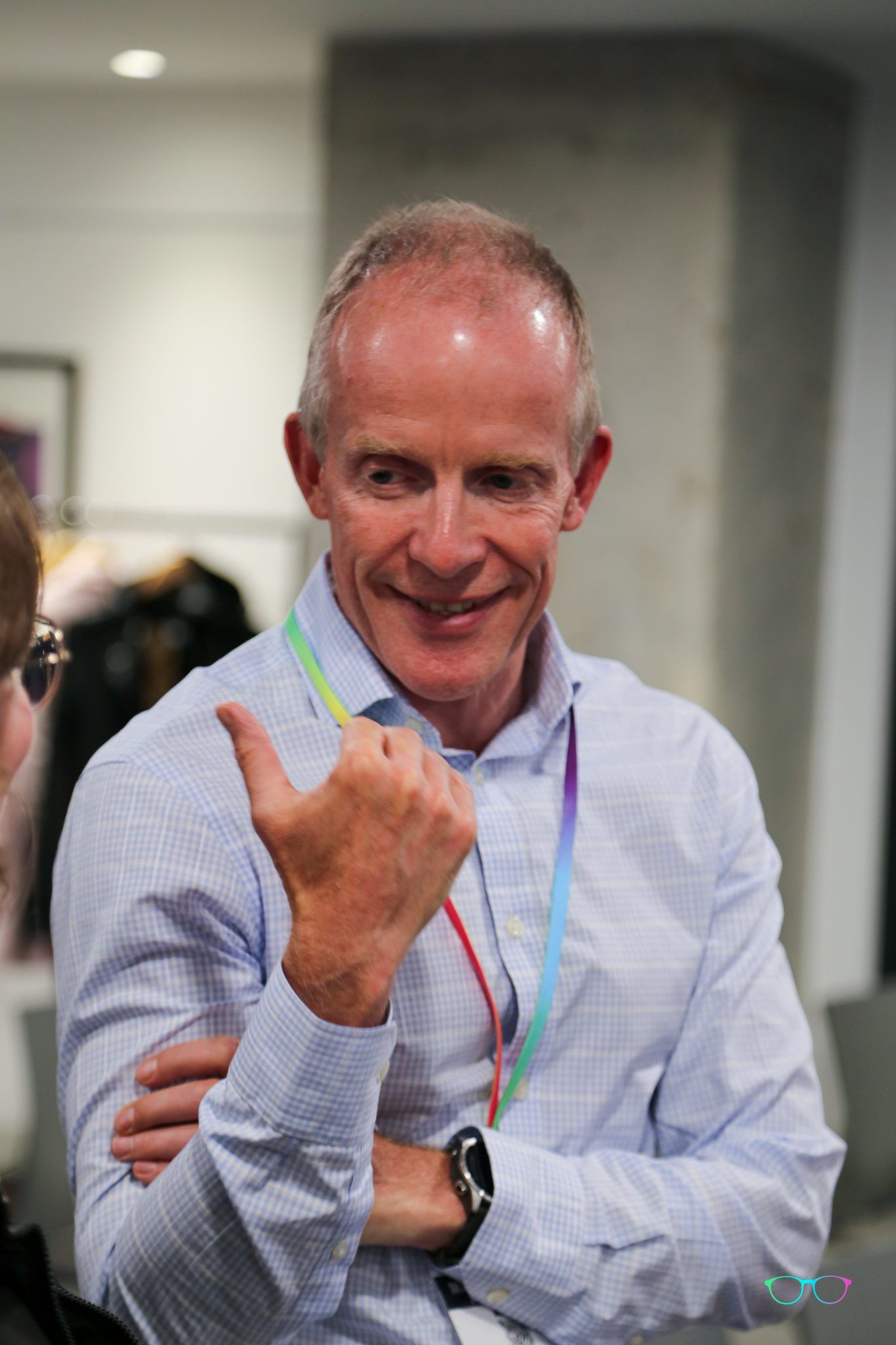
“In particular I was starting to consider acquisitions to bolt on additional capability to our offer,” he explains. He needed, in his words, “a group of people who had done similar things in the past and who knew which pitfalls not to fall into.”
Working with James Gairdner, an Exiteer from The Grafter team, Richard began the familiar process of strategic planning, mapping out the next two to three years, considering acquisition targets, thinking through integration challenges. Standard stuff for an ambitiously growing consultancy.
The Cultural Dance
Richard’s experience building Oxford Insights internationally reads like a masterclass in cultural adaptation. There’s the formal, formulaic process required for ministerial meetings in Central Asia. The bewildering speed of business drinking in Japan, where even socialising is scheduled: one hour of aggressive hospitality before everyone heads home precisely when planned.
“I was there not knowing that this was all going to end in like an hour,” he recalls of a Tokyo business dinner. “I’m in the wrong time zone. I’m heavily jet lagged and I’ve got like a monumental flu cold thing going on. I cannot drink this fast.”
“I felt intensely alien and rude at every turn,” he admits about Japan. Until someone pointed out the obvious: “I was foreign. So I wasn’t expected to know the rule book.”
This cultural agility, knowing when to be formal, when being the “foreign Brit” grants you grace, this is what Richard excels at. Not checking contract margins. Not chasing payments.
“I want my head to be in AI, how’s it changing the world, and which countries do we need to go and find and make friends with,” he says. “Not the details of this particular contract.”
The Pragmatic Solution
The solution emerged not as a revolution, but as an obvious next step, a structural change that Richard had been considering for months.
“I am looking at hiring in a managing director to basically run the profitability of the business whilst I then switch to an executive chairman role.”
It’s not stepping back; it’s just reorganising. “Bringing in somebody who’s better at the operational day-to-day things than I am, who has the experience that I can feel confident they’re going to do it well.”
For Richard, this means rebuilding his domain expertise, focusing on long-term growth, managing ministerial relationships in twelve countries rather than wrestling with monthly cash flow forecasts. It’s not transformational. It’s just sensible.
The Support Structure

“I’ve been able to talk to a friend and peer at a time when the business is under pressure and strained in a way which has helped me remain on task,” Richard says of working with The Grafter. Having James there to work through it provided crucial bandwidth, not answers, just structure and someone who’d seen it before.
“It’s given me additional bandwidth when the company’s been under pressure from outside.”
There’s another recognition too: “I’ve left with a sort of sense of like, oh, maybe this is what a board is actually for. Maybe I should get some board members. They might actually be useful rather than just a pain in the arse.”
The Reality Check
“I feel like I’ve slightly undersold the impact,” Richard admits when pressed about the tangible value of the programme. It’s not a dramatic transformation story. It’s more subtle than that.
“I’ve left with more of a sense of knowing what are the steps that I need to take to continue to grow the business and not tank it at the point where it’s just starting to be profitable and worth the time I’m investing.”
The steps aren’t revolutionary: hire an MD, maintain 25% organic growth, preserve the culture, maybe buy another company if the right opportunity appears. The international expansion continues, Richard still thinks it’s a strategic mistake to enter a global market in a niche vertical, but also admits it’s great fun.
“The ideal answer you’re looking for is I step back from the business, it continues to grow and hey, I have a fantastic life playing golf all day,” Richard jokes. “But that’s not what’s going to happen.”
The View from Here
What is happening is less dramatic but perhaps more useful: Richard’s building the structure to do what he’s always known he should do. When the MD arrives, when Richard’s phone buzzes during the next ministerial dinner or family holiday, it won’t be his fire to fight.
“International expansion is both very positive and ridiculously hard work,” he reflects. The work continues. The challenges remain. But at least now there’s a plan to put the right people in the right seats.
Rachel, James, and The Grafter team didn’t transform Oxford Insights. They just helped Richard see what he already knew: that running operations whilst building international government relationships is like serving Hawaiian pizza in Italy: technically possible, but missing the point entirely.
Oxford Insights helps governments increase the impact of their public services through empowering teams and harnessing technology. Their AI Readiness Index has become the global standard for assessing how prepared nations are for artificial intelligence implementation.