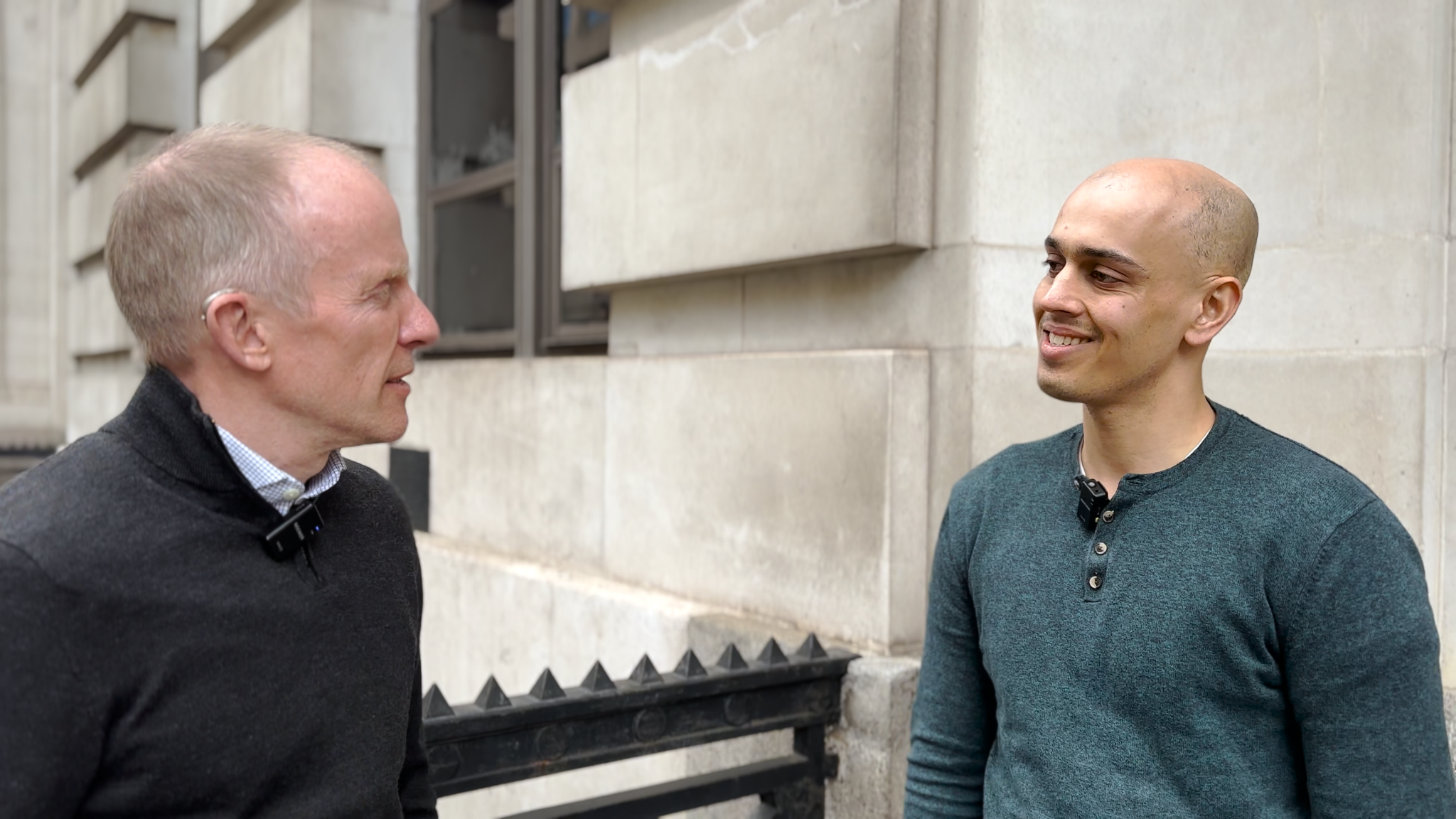
Haroon Taylor was just back from holiday when we spoke. It had been a well earned pause after several intense weeks of strategic sessions with The Grafter team. The timing felt right for a catch-up.
“We’d just wrapped up the final meeting, and I thought, let me switch off for a few days,” he says. “It gave me a chance to reflect on everything we’ve covered and what comes next.”
For Haroon and the team at YewMaker, “next” is both exciting and uncertain. As a science-led, purpose-driven business working on sustainability in healthcare, YewMaker’s ambitions are admirable. But translating technical expertise and powerful ideas into a scalable, commercially confident company isn’t a straight line, especially in the often slow moving healthcare space where environmental concerns can get pushed down the pecking order of competing priorities.
That’s where The Grafter came in. But to understand the impact, it helps to rewind a little.
From Science to Solutions
YewMaker’s mission is clear: build science-based solutions to make healthcare good for people, the planet, and business. Their innovation in this space has earned them credibility quickly and in a relatively short time have become a benchmark for standardised carbon footprinting of medicines through their Medicine Carbon Footprint (MCF) solutions.
“We’ve achieved a lot,” Haroon says. “But like any early-stage company, we were failing fast, improving daily and juggling lots of different responsibilities.”

As CTO, Haroon was focused on building platforms, experimenting with technology choices, and developing data-driven solutions at scale. But the more the company grew, the more he and the leadership team realised they needed to step back and get clearer about structure, focus, and forward planning.
“There’s always this tension between working in the business and working on it,” he reflects. “You’re trying to build things, improve the industry, make a difference, but you also need to think more strategically about making sure the business is profitable and has a future.”
Facing the Fuzziness
When Haroon and his co-founder joined The Grafter’s Grow Raise Exit programme, they knew they needed help clarifying roles, streamlining decisions, and preparing for the longer-term growth they were aiming for.
“There was a bit of fuzziness,” Haroon says. “Who should take ownership for each core element of the business? How are we making decisions? What’s our path to sustained profitability, and how do we de-risk that for ourselves and for potential investors?”
These weren’t signs of dysfunction, just the usual complexities that come at the start of a business journey – where development, growth and product market fit evolve simultaneously.
Through a series of structured sessions, The Grafter helped the team map out where the friction points were and how to unblock them. That included better articulation of YewMaker’s business model, deeper alignment between tech and commercial thinking, and more confident planning around future growth and potential exit strategies.
“It gave us permission to ask the questions we hadn’t made time for,” Haroon says. “What’s our commercialisation strategy? How do we find product market fit? What does our ideal strategic partner look like?
Shifting from Founder Mode to Scale-Up Thinking
One of the biggest changes for Haroon personally was shifting from being “the person who can solve technical problems” to being a sound business leader and taking on some of the more creative jobs within the business.
“In a small team, you need to prioritise effectively and take on whatever needs doing, whether that’s technical, marketing, sales or something else” he says. “There’s no point having a beautiful technical solution if no one knows it exists.”
The programme helped reframe his role as CTO, not just in terms of output, but in leadership, setting direction, building capability, and shaping how the technology supports the wider business vision.
That clarity also helped strengthen how YewMaker communicates what it does to partners, collaborators and clients, particularly in a sector where sustainability in innovation is often not talked about or delivered in a way that stands up to scrutiny.
“We had the substance,” Haroon says. “But we needed to package it in a way that made sense to different audiences – people who care about environmental impact, yes, but additionally everyone else in the pharmaceutical supply chain who isn’t focussed on sustainability day to day.”
Rehearsing for What’s to Come
While YewMaker isn’t exiting right now, the team wanted to get ahead of the curve. That meant building pitch decks, stress-testing their story, and understanding what would be expected in a data room if and when the time came.
“We like to be organised and plan for the future,” Haroon says. “If you can get started early, it’ll be so much easier to sell the company story and opportunity in the future”
This preparation gave the team more than documents, it gave them confidence. Confidence in how they talk about their market, their model, and their mission.
And that’s something Haroon found particularly valuable: the blend of practical input and strategic challenge that The Grafter brought to the table.
“It wasn’t just advice. It was structured, thoughtful support that helped us reflect and not just react.”
What’s Next
YewMaker is still early in its journey despite how far they’ve already come, but it’s clearer now on where it’s heading and how to get there. The work isn’t done, but the team is better equipped to grow with purpose and resilience.
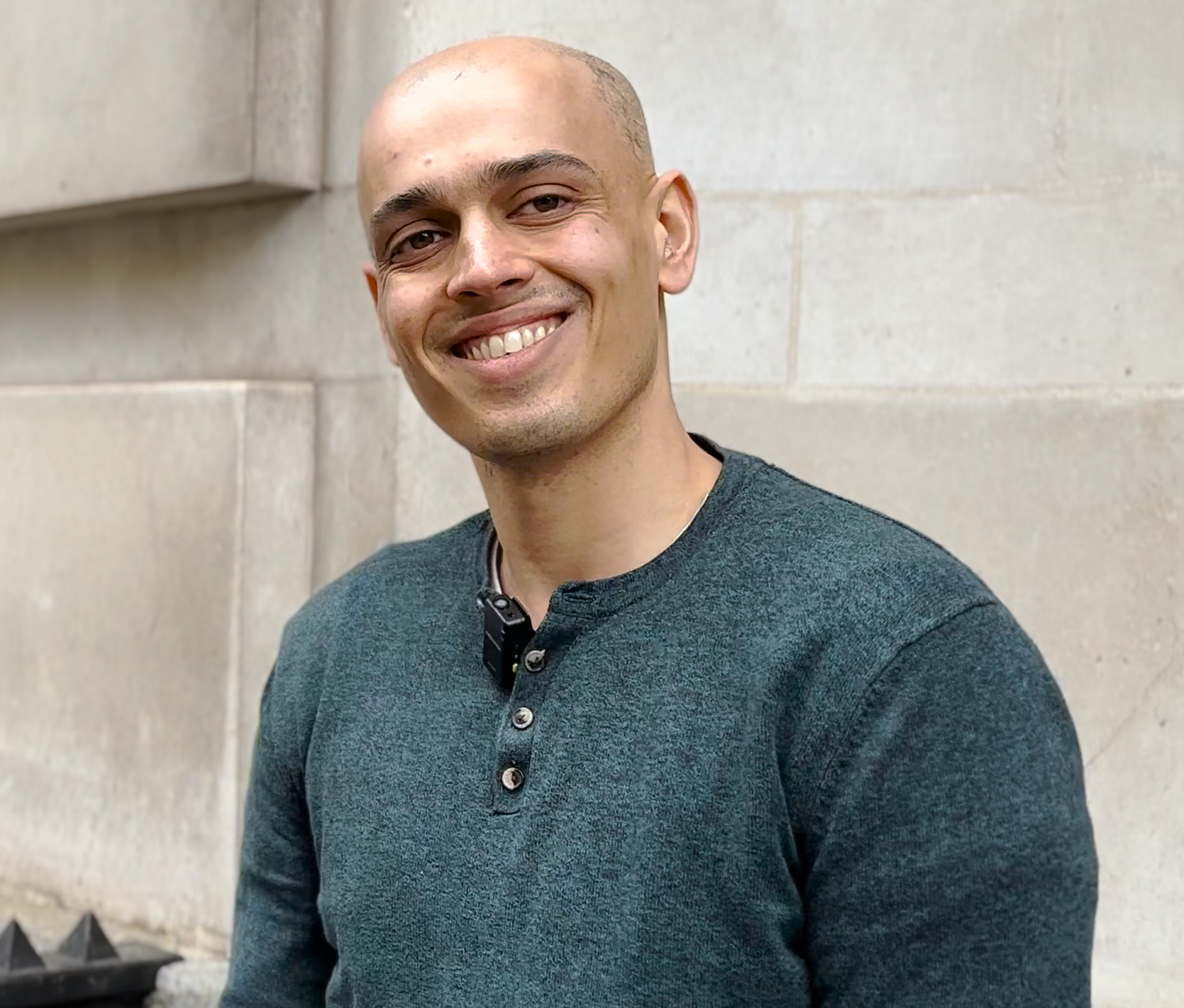
Haroon remains focused on building technology that can underpin a more sustainable future for healthcare. And thanks to the programme, he now feels more able to lead that work with clarity and intent.
“We came out of it stronger, not just better prepared, but better connected both as a leadership team and with the industry as a whole.”
For a company tackling some of the most urgent challenges in the industry, that clarity could make all the difference.