Challenge
PharosAI, an ambitious initiative aimed at revolutionising cancer diagnostics, faced the challenge of securing significant financial support to bring a life-changing vision to life. As one of the 12 finalists selected from over 250 applicants in the UK Department for Science, Innovation, and Technology’s (DSIT) Research Ventures Catalyst programme, PharosAI had the opportunity to secure up to £25 million in funding to support their mission to embed AI technology into cancer clinical workflows.
However, the path to securing this funding was far from straightforward. PharosAI needed to develop a comprehensive and compelling bid that would not only appeal to the DSIT but also align a broad consortium of academia, industry, charity and healthcare providers. Additionally, PharosAI had to secure £25 million in match funding, adding another layer of complexity to the project. To navigate these challenges, PharosAI needed a strategic partner with deep expertise in programme management, bid development, consortium management, healthcare innovation, raising money and facilitation of stakeholders.
Approach
Our engagement with PharosAI began by taking the lead in the bid development process. Understanding the critical importance of this bid, we meticulously designed every aspect, from conceptualising the future solution to accurately costing the project and crafting a robust organisational delivery model. Working closely with PharosAI, we developed a compelling narrative that highlighted the transformative potential of their AI platform in cancer care. This narrative was supported by the unique strength of the biobanks, which provide enriched, high-dimensional datasets offering unparalleled insights into the entire cancer pathway. Our aim was to ensure that the bid resonated with DSIT’s stringent evaluation criteria while demonstrating PharosAI’s capacity to drive innovation in cancer diagnostics.
Central to our approach was the creation of a future operating model capable of integrating the varied expertise of the consortium, which included leading academic institutions, industry partners, and healthcare providers. Using Wardley mapping, we meticulously charted the IT estate across these diverse partners, identifying existing resources, gaps, and opportunities for synergy. This strategic planning allowed the team to design a technological infrastructure that could support the AI platform, ensuring that PharosAI could effectively leverage the consortium’s collective strengths while overcoming operational challenges.
Securing the required £25 million in match funding was another crucial element of our approach. We developed a targeted strategy for acquiring this funding, which included creating compelling pitch decks tailored to different investor audiences and enabling exclusive events to showcase PharosAI’s potential. By identifying potential investors, crafting tailored pitches and facilitating connections, we were able to effectively support negotiations and secure commitments from private, philanthropic, and charitable sources. Our efforts ensured that PharosAI not only met but exceeded the programme’s funding requirements, positioning them as a strong contender for the full £25 million award.
Impact
As a result of our partnership, PharosAI submitted a bid that was both comprehensive and compelling, showcasing the project’s potential to transform cancer diagnostics. Additionally, through our strategic guidance, PharosAI was able to articulate a clear and compelling vision for the future of AI-powered healthcare, gaining the confidence of both public and private stakeholders, and securing the necessary match funding significantly enhanced PharosAI’s chances of success in the DSIT programme.
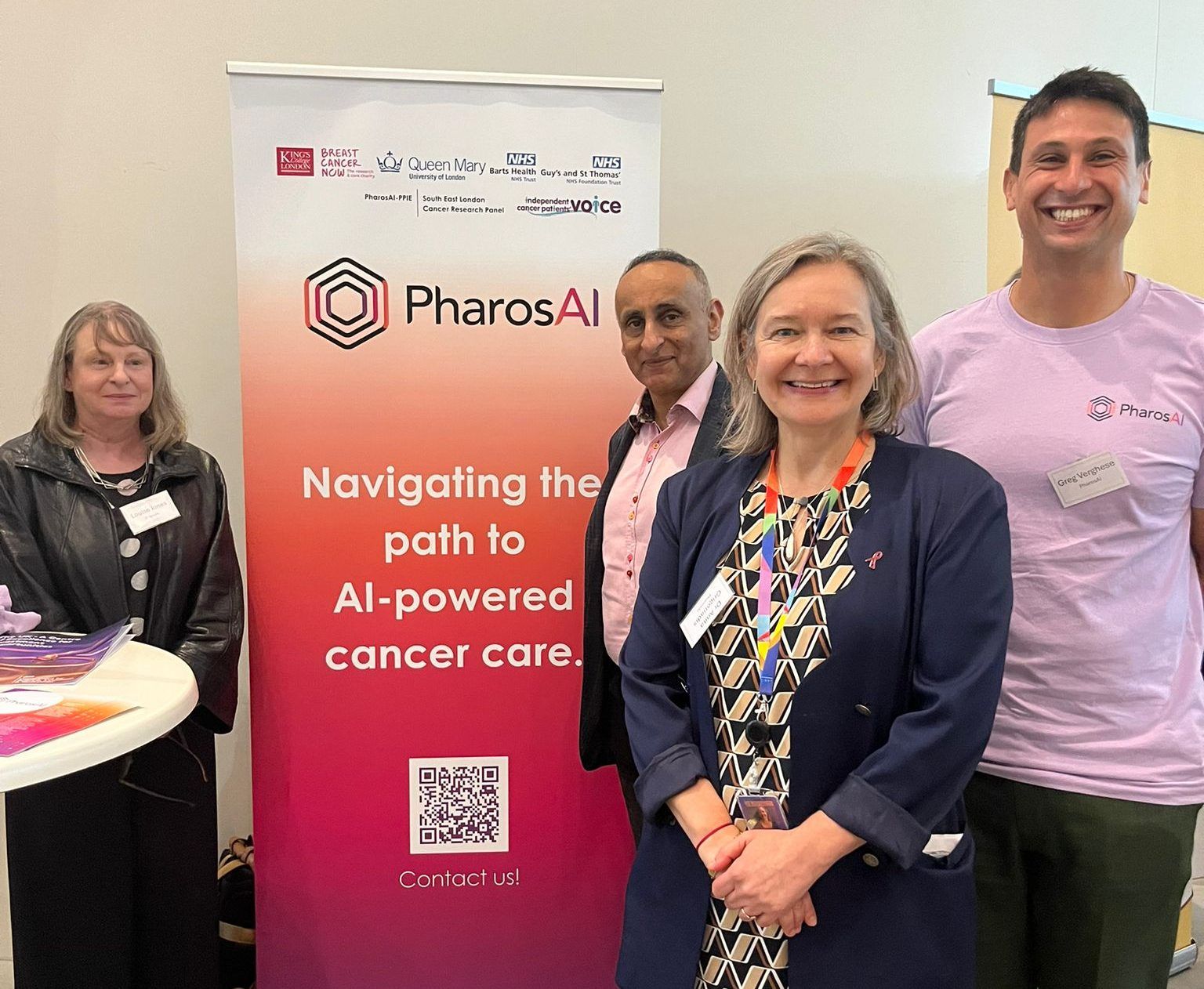
“The Grafter’s action-oriented approach was exactly what we needed to drive our ambitious project forward. Their unique understanding of the complexities of the healthcare system, advanced technology and building businesses allowed them to navigate challenges that others might have found insurmountable. Coupled with their entrepreneurial spirit, they not only helped us align our diverse consortium but also enabled us to secure the critical funding we need. Thanks to their guidance, we’re now on the path to revolutionising cancer diagnostics.” — Anita Grigoriadis, Professor of Molecular and Digital Pathology, Head of the Comprehensive Cancer Centre at KCL, Louise Jones, Professor of Breast Pathology, QMUL; Majid Kazmi Director of Innovation for Cancer and Surgery, GSTT; Gregory Verghese, Machine Learning Specialist, KCL; Danny Ruta, Clinical AI Lead, GSTT
The collaboration between PharosAI and our team not only advanced the project’s immediate goals but also set the stage for a revolution in cancer care that will benefit patients globally. By integrating cutting-edge AI technology into cancer diagnostics, PharosAI is well-positioned to deliver faster, more accurate, and more equitable care, aligning with the NHS’s vision of providing the right treatment at the right time, regardless of socioeconomic background. This partnership laid the foundation for a lasting impact on the future of cancer care, bringing together the best of academia, industry, and healthcare to drive forward innovation.